Wilaya 16Algeria
Algiers
Algiers is one of the oldest cities in the Mediterranean, witnessing Phoenician, Roman, Islamic, Zirid, and Ottoman civilizations. The Ottoman era left a clear mark on the Casbah, mosques, and palaces. During the French colonial period (1830–1962), it saw significant urban expansion. Today, the Casbah of Algiers is a UNESCO World Heritage site known for its historical and architectural value.
Best Places to Visit
History
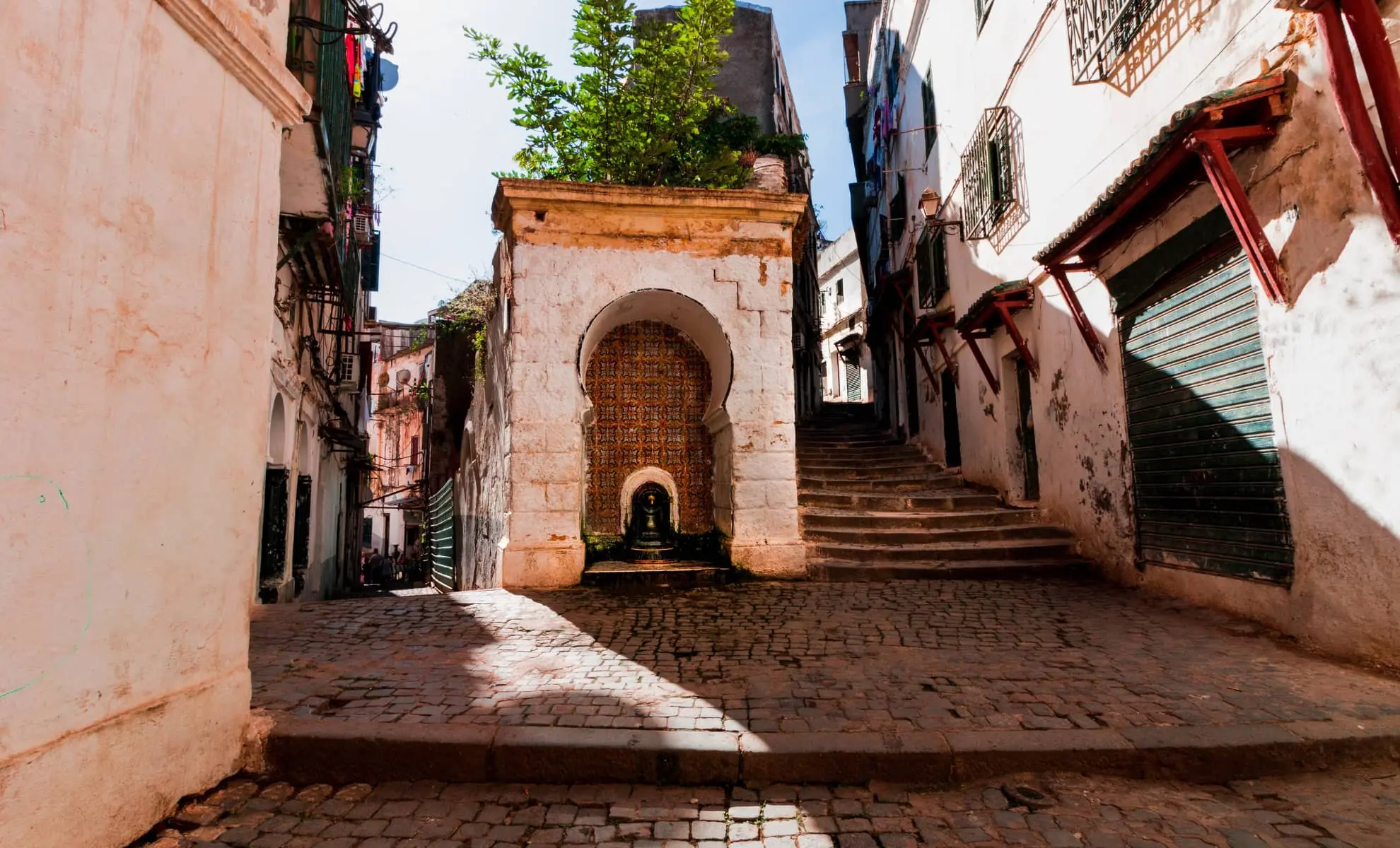
The Casbah of Algiers
A UNESCO World Heritage site and a masterpiece of Islamic architecture. The Casbah is a winding labyrinth of whitewashed houses, Ottoman palaces, and ancient mosques cascading down to the sea.
Read More
Landmark
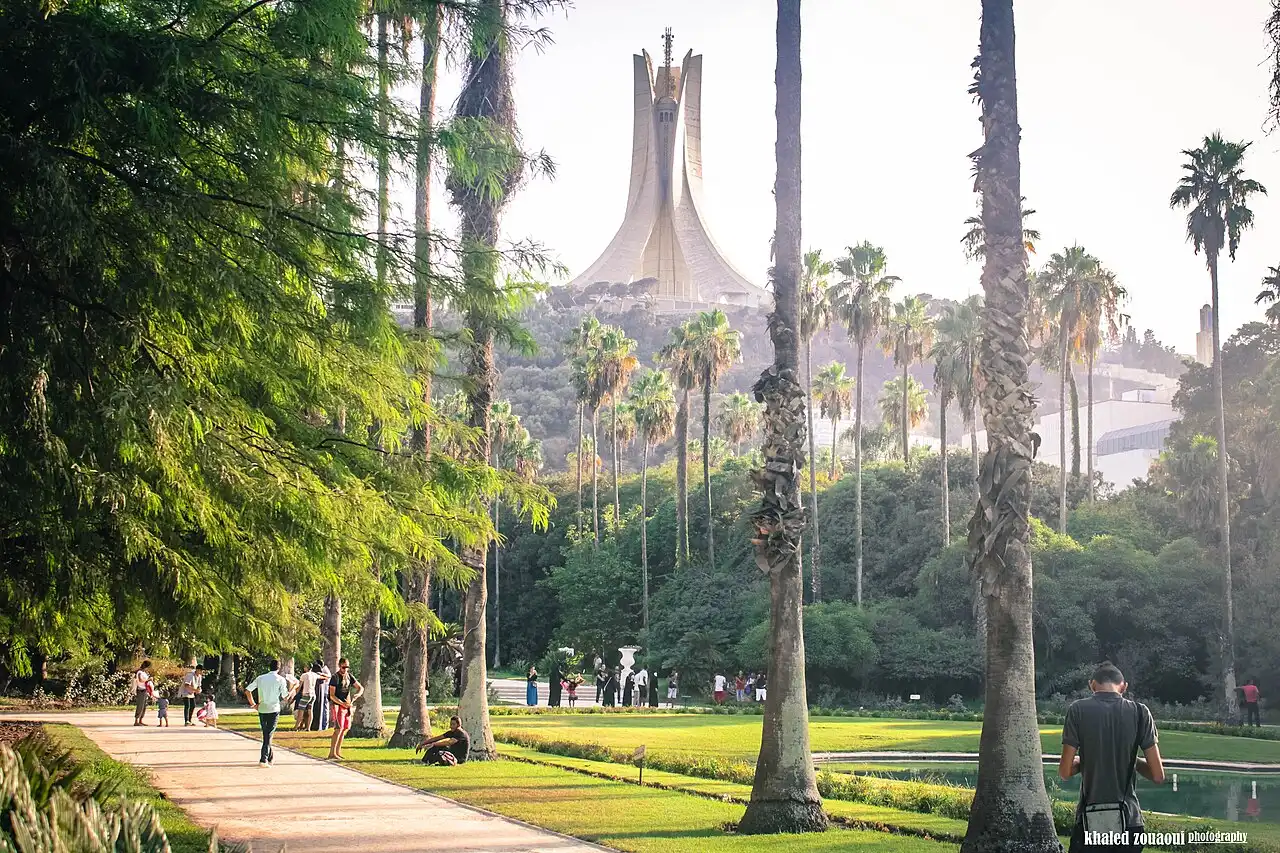
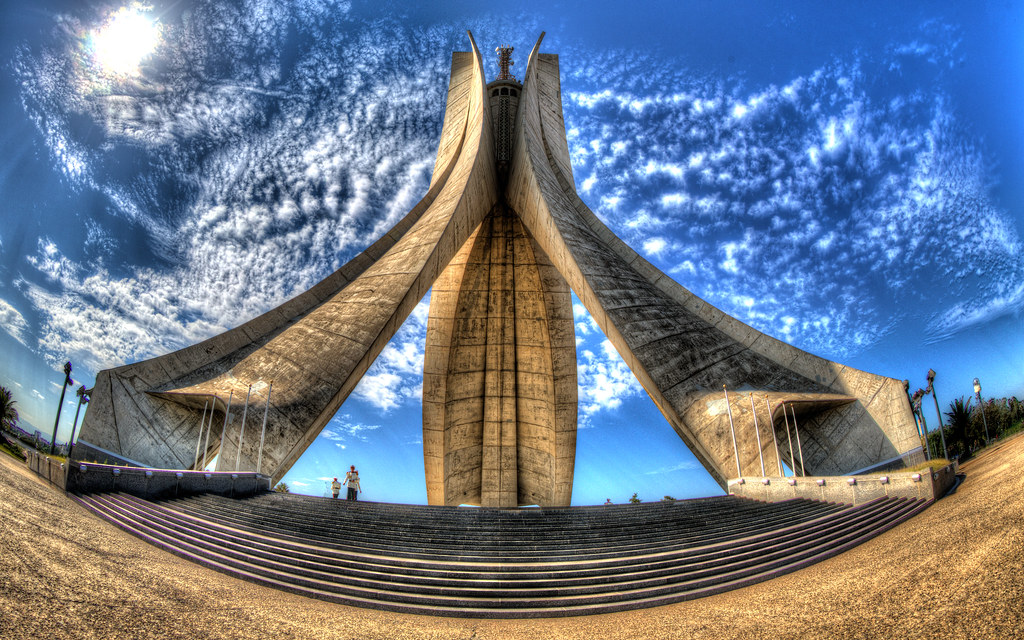
Maqam Echahid
The Martyrs' Memorial is an iconic concrete monument overlooking the city, commemorating the Algerian war for independence. It represents three palm leaves sheltering the eternal flame.
Read More
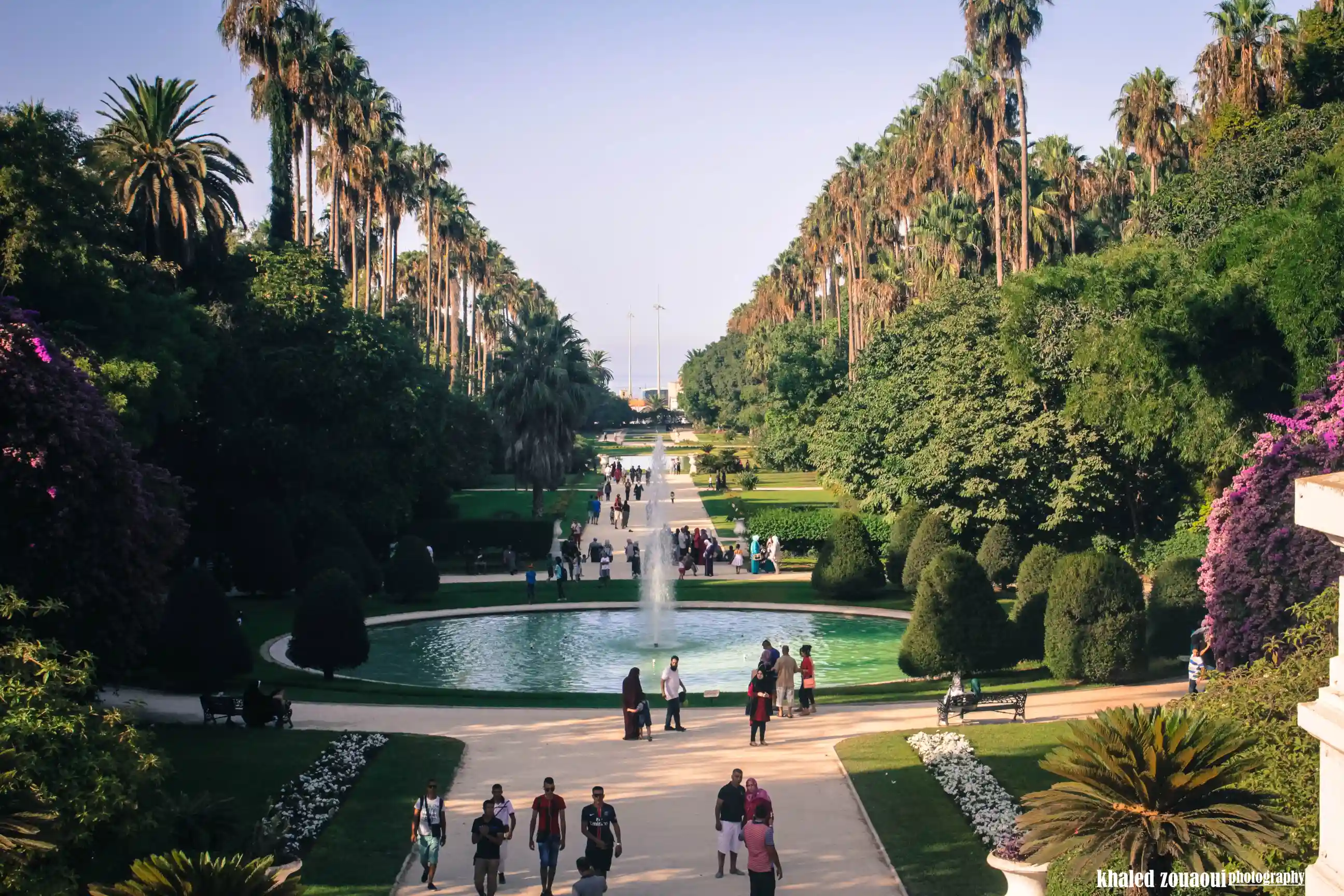
Nature
Jardin d'Essai du Hamma
One of the most beautiful botanical gardens in the world, featuring grand avenues of plane trees, exotic palms, and a mix of French and English garden styles.
Read More
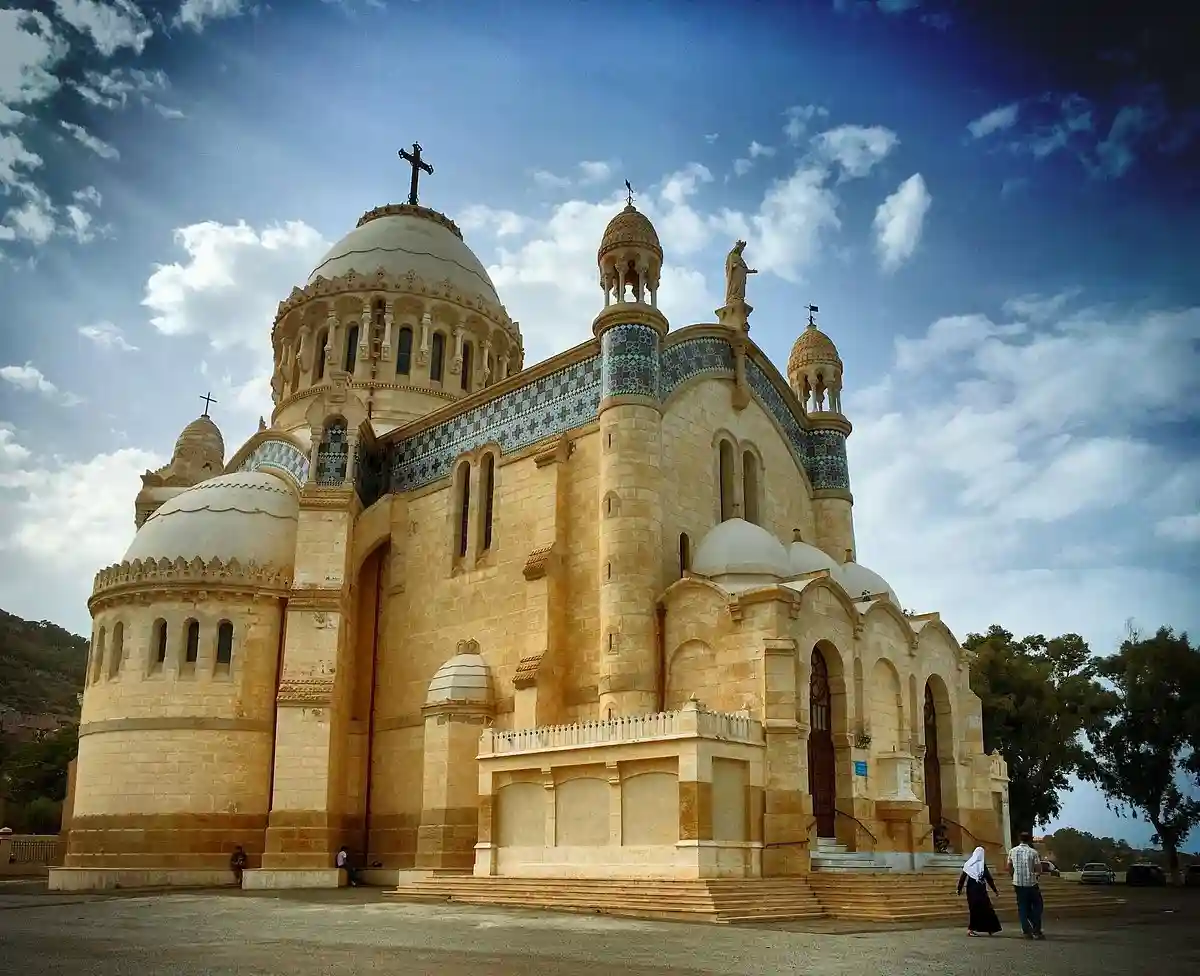
Culture
Notre Dame d'Afrique
Known as 'Lalla Madame l'Afrique', this basilica sits on a cliff overlooking the Bay of Algiers. Its Neo-Byzantine architecture is stunning inside and out.
Read More
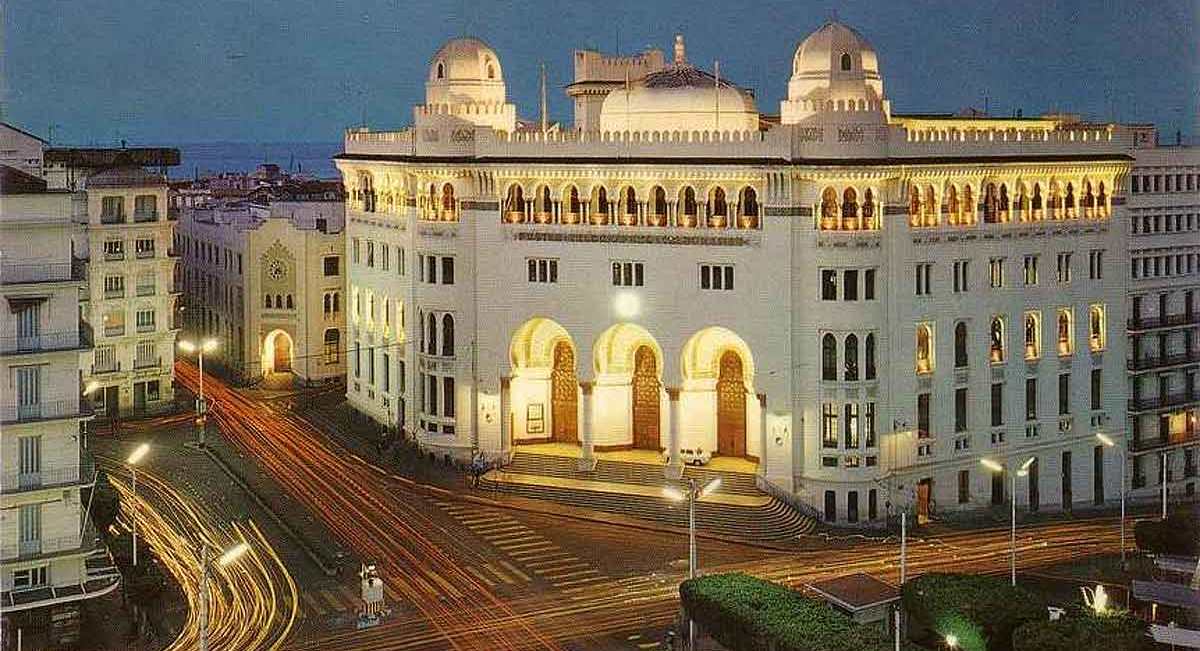
Architecture
La Grande Poste
The heart of downtown Algiers. A magnificent example of Neo-Moorish architecture built in 1910, famous for its grand arches and intricate interior.
Read More
Natural Touristic Spots
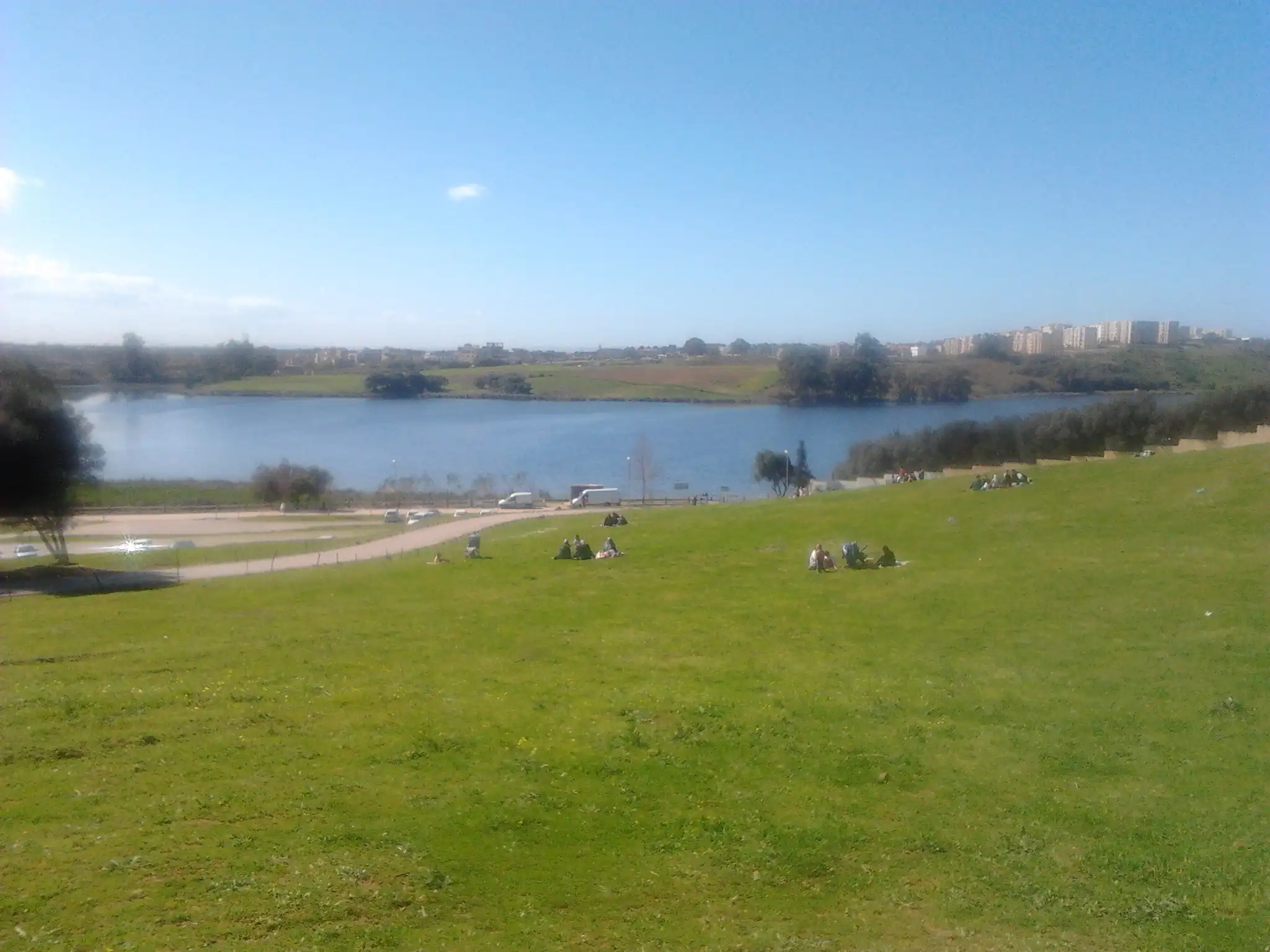
nature
Reghaia Lake
Algiers
Restaurants

Restaurants
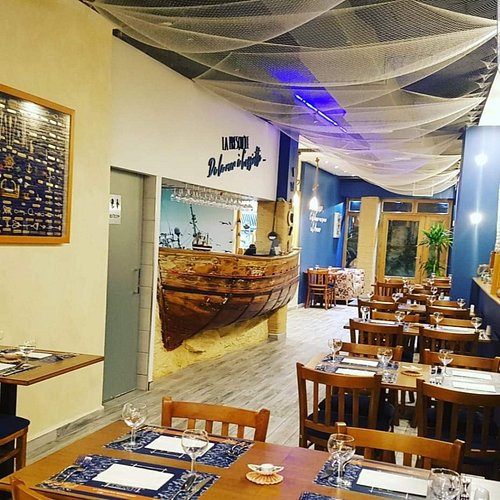
O'fish
algiers
1,200 DZD / night
4.1
Restaurants
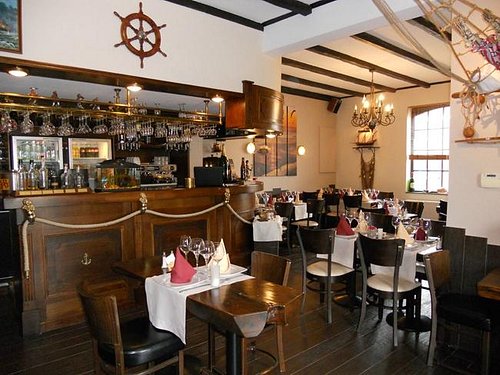
La Presqu'ile
algiers
4,500 DZD / night
4.1
Restaurants
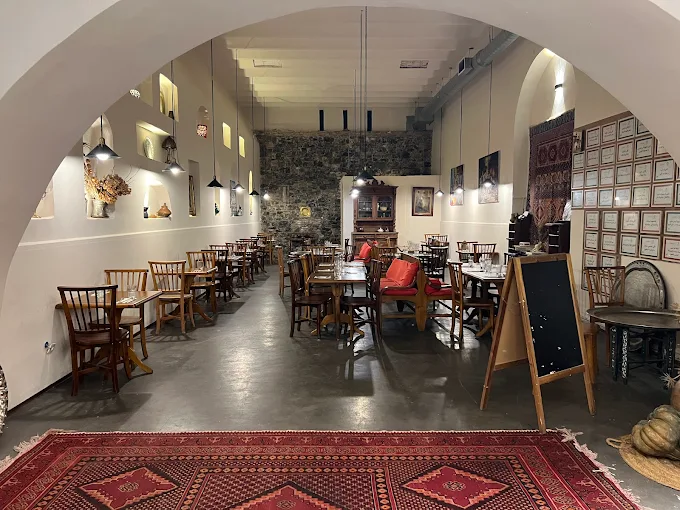
Chebec Restaurant
algiers
3,500 DZD / night
3.8
Restaurants
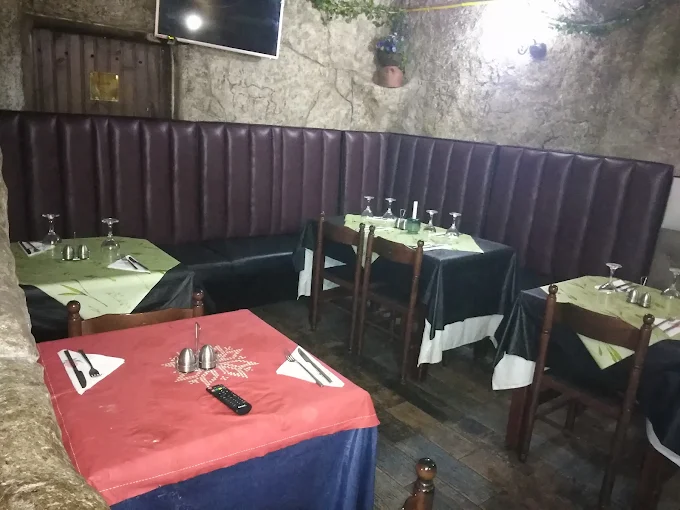
Sapori
algiers
2,200 DZD / night
4.4
Restaurants
La Grotte des Saveurs
algiers
3,000 DZD / night
4.2
Restaurants
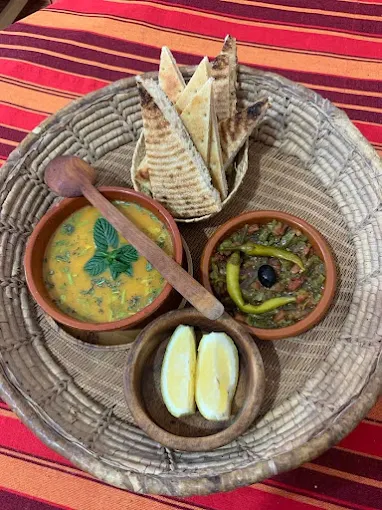
Dar Yemma Casbah
algiers
1,500 DZD / night
4.1
Restaurants
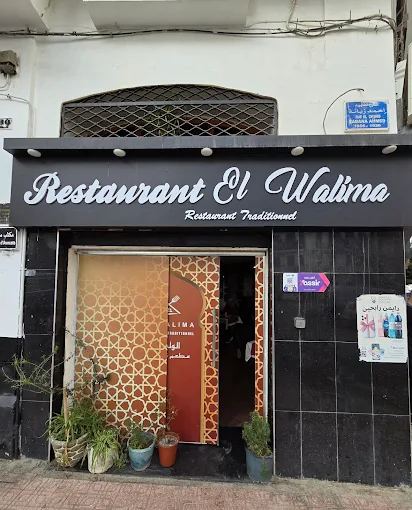
Restaurant El Walima
algiers
2,000 DZD / night
4
Restaurants
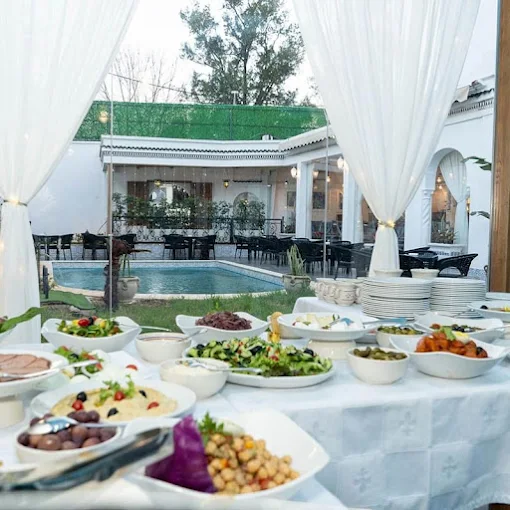
Dar Zellige
algiers
4,000 DZD / night
4.8
Hotels & Stays
.jpg)
Seen by Creators
Discover this wilaya through the lens of Algeria's top content creators
K
Loading
K
Loading
K
Loading
Cultural Insights
HistoryArchitecture
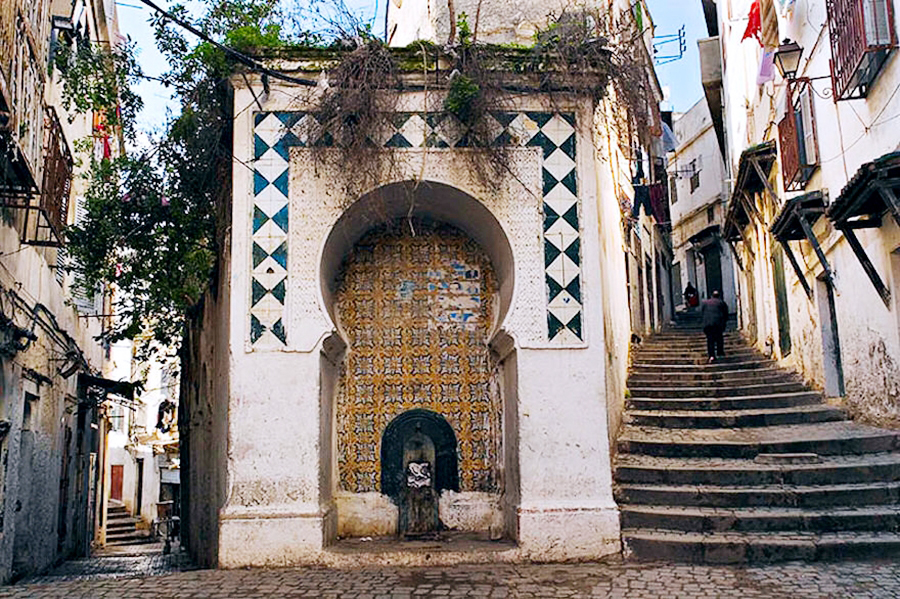
The Casbah Life
A labyrinth of narrow streets, Ottoman palaces, and ancient mosques. The Casbah is not just a place; it's a way of life that has preserved the city's soul for centuries.